
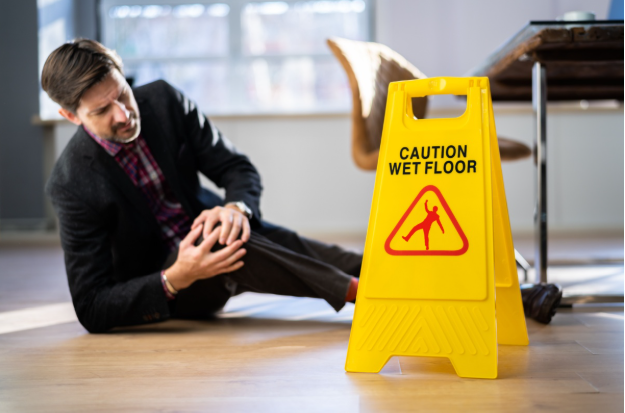
A slip and fall accident can happen in an instant and in places where you feel most safe. From a wet floor in a store to an icy sidewalk outside your home, these accidents are often unpredictable. While some slips may only result in minor bruises, others can lead to severe injuries that require long-term medical care and rehabilitation. Beyond the physical harm, victims often face medical expenses, lost income, and significant emotional stress.
The law recognizes the impact of these accidents. Property owners have a duty to maintain safe conditions for visitors, employees, and the public. When that duty is neglected, injured individuals may have the right to pursue compensation. At Vindigni & Zeka Law Group, our premises liability attorneys provide guidance, representation, and support to clients in New Jersey and Pennsylvania, helping them navigate these complex claims.
Common Causes of Slip and Fall Accidents
Slip and fall incidents can occur in a variety of locations and under numerous circumstances. Understanding the common causes can help both property owners and visitors recognize hazards before an accident occurs.
Wet and Slippery Surfaces
Floors that are wet due to spills, rain, or cleaning can pose serious risks. Stores, restaurants, and public buildings must ensure that wet surfaces are either promptly cleaned or clearly marked with warning signs. Failure to do so can result in liability if a visitor slips and falls.
Uneven Surfaces and Broken Steps
Cracked sidewalks, broken staircases, or damaged tiles are frequent contributors to slip and fall injuries. Even small imperfections can cause a person to trip unexpectedly. Property owners are expected to repair these hazards promptly to prevent accidents.
Ice, Snow, and Weather-Related Hazards
In colder climates, sidewalks, driveways, and parking lots can become dangerously icy. Property owners are responsible for clearing snow and applying ice melt where necessary. Neglecting these duties can result in preventable accidents with severe consequences.
Obstructed Walkways
Items left in hallways, cluttered construction zones, or uneven thresholds can also lead to accidents. Businesses and property managers must ensure that walking paths remain clear and safe at all times.
Common Injuries From Slip and Fall Accidents
The severity of injuries from a slip and fall can vary widely. While some accidents result in minor scrapes or bruises, others can lead to serious or even permanent harm.
Broken Bones and Fractures
Falls can cause fractures to the wrist, ankle, or hip. Older adults are particularly vulnerable to hip fractures, which can require surgery and months of rehabilitation.
Head and Traumatic Brain Injuries
A hard impact on the head can result in concussions or more serious brain trauma. Even mild head injuries can lead to long-term complications such as memory loss, headaches, or cognitive impairment.
Spinal Cord and Back Injuries
Falls can cause damage to the spine, including herniated discs or spinal cord injury. These injuries may result in chronic pain, mobility challenges, or permanent disability.
Soft Tissue Injuries
Strains, sprains, and tears of muscles and ligaments are common after a fall. While these injuries may not show up on X-rays, they can significantly limit your mobility and require physical therapy.
Catastrophic Injury
In some cases, a slip and fall can cause a catastrophic injury that permanently affects the victim’s quality of life. This may include paralysis or injuries requiring lifelong medical care. These cases often result in larger settlements due to the extensive costs and impact on daily living.
How Property Owners Are Legally Responsible
Property owners have a duty to maintain reasonably safe conditions for visitors. If a hazard exists and the owner fails to warn or correct it, they may be held liable for any resulting injuries.
In most states, establishing liability typically requires showing that the property owner knew, or should have known, about the dangerous condition. This could be a wet floor without a warning sign, poor lighting, icy steps, or a broken railing. Comparative negligence may also apply, which means your own actions are considered when determining compensation.
Steps to Take After a Slip and Fall
Taking immediate and careful action after a fall can strengthen your case.
Seek Medical Attention
Your health is the top priority. Even if injuries appear minor, it is important to have a doctor evaluate you. Medical records not only protect your well-being but also serve as evidence for your claim.
Report the Incident
Notify the property owner, manager, or supervisor as soon as possible. Request a copy of any incident report created at the time of the accident.
Document the Scene
Photograph and record the location of your fall, the hazardous condition, and the surrounding area. This documentation is valuable when supporting your claim.
Gather Witness Information
If anyone witnessed your accident, collect their names and contact details. Eyewitness accounts are often powerful evidence in slip and fall cases.
Preserve Clothing and Shoes
Do not wash the items you were wearing during the accident. They may provide critical proof of your injuries or the conditions that caused your fall.
Understanding Compensation and Payouts
Compensation for slip and fall accidents can address both financial and non-financial losses.
Medical Expenses
You may be entitled to reimbursement for hospital visits, surgeries, medications, and rehabilitation. Compensation can also cover future treatments related to your injuries.
Lost Income and Reduced Earning Capacity
If your injuries prevent you from working, you can recover lost wages. In cases of permanent disability, compensation may also account for reduced earning capacity over a lifetime.
Pain and Suffering
Damages for pain and suffering provide financial recognition of the physical pain, emotional stress, and diminished enjoyment of life caused by the accident.
Workers’ Compensation
If a slip and fall occurs at your workplace, you may also qualify for workers’ compensation. This ensures coverage for medical expenses and lost income regardless of fault, complementing any additional premises liability claim you may pursue.
Long-Term Care and Rehabilitation
Serious injuries may require ongoing therapy, home modifications, or nursing assistance. Compensation can cover these future needs, ensuring your recovery and quality of life are supported.
How Premises Liability Attorneys Can Help
Experienced premises liability attorneys play a crucial role in protecting victims’ rights. At Vindigni & Zeka Law Group, we investigate each case thoroughly, collecting evidence, interviewing witnesses, and reviewing medical records. For complex or contested cases, we represent clients in court to pursue maximum compensation.
When to Contact a Lawyer
Even if your injuries seem minor, consulting with an attorney soon after the accident is highly recommended. Early involvement ensures that evidence is preserved, witnesses are contacted, and documentation is properly collected.
Vindigni & Zeka Law Group offers confidential consultations to review your situation, explain your legal options, and outline a strategy tailored to your needs. Our team has extensive experience handling cases ranging from minor slips to catastrophic injury, helping victims recover both physically and financially.
Take Action After a Slip and Fall
If you or a loved one has experienced a slip and fall accident, it is important to act quickly. Document the accident, seek medical care, and contact our experienced premises liability attorneys to protect your rights. The longer you wait, the harder it can be to preserve evidence or secure fair compensation.
At Vindigni & Zeka Law Group, we understand the physical, emotional, and financial impact of these accidents. Our team works diligently to ensure that every client receives the attention, advocacy, and support they need to move forward with confidence.
Schedule a consultation today to discuss your case. We will evaluate your injuries, assess liability, and guide you through the process of recovering damages for medical expenses, lost income, and long-term care.