
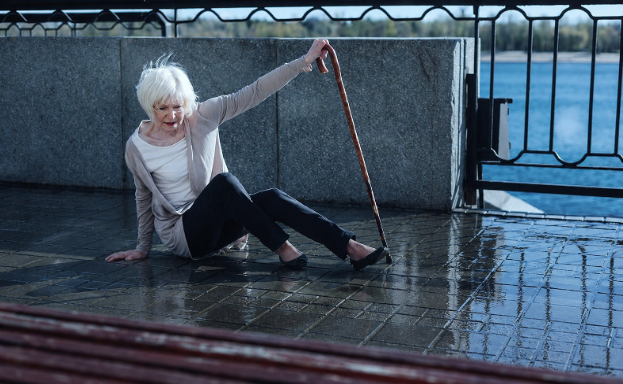
Sidewalks, parking lots, entryways, staircases, and other public or private property areas often become slippery during inclement weather, increasing the risk of serious slip and fall accidents. Property owners, therefore, have legal responsibilities to take reasonable steps to address dangerous conditions and protect visitors from harm.
For example, business owners may be required to clear snow and ice from entrances, landlords may need to maintain safe common areas for tenants, and property managers may be expected to address drainage problems that could result in ice buildup. In many situations, property owners should also provide warning signs when hazards cannot be immediately eliminated. When these responsibilities are neglected, and someone suffers an injury as a result, the injured party may have the right to hold the responsible party accountable.
If you’ve been injured recently in a slip and fall accident involving ice or snow, taking the right steps immediately can significantly strengthen your claim. Below are five important steps that can help you pursue full compensation for your injuries and losses.
Step 1: Seek Medical Attention Immediately
Your health should always be your first priority after a slip and fall accident.
Even if your injuries initially seem minor, it is important to seek medical evaluation as soon as possible. Some injuries, including concussions, soft tissue injuries, spinal damage, and internal injuries, may not present obvious symptoms right away. Delaying treatment could allow the condition to worsen and potentially jeopardize your recovery.
Prompt medical treatment also creates important documentation for your claim. Medical records establish a clear connection between the accident and your injuries. In many cases, insurance companies look for gaps in treatment as a reason to dispute claims or argue that injuries were caused by something else. So, following your doctor’s recommendations and attending all follow-up appointments can further strengthen your case while helping you recover to the fullest.
Step 2: Document the Hazardous Conditions
One of the most effective ways to prove liability is by preserving evidence of the dangerous condition that caused your fall.
If you are physically able, take photographs and videos of the scene immediately after the accident. Weather-related hazards can change quickly, making early documentation especially valuable.
Important conditions to capture may include:
- Snow-covered walkways
- Ice accumulation
- Slush-covered surfaces
- Standing water
- Poor drainage issues
- Untreated sidewalks
- Inadequate snow removal
- Missing handrails
- Broken pavement
- Lack of warning signs
Try to document the area from multiple angles and distances. Wide shots can show the overall environment, while close-up images can highlight specific hazards.
Photographs and videos often provide powerful visual evidence that can demonstrate the severity of the condition and help establish whether reasonable maintenance measures were taken.
Step 3: Gather Witness Information
Witnesses can provide valuable independent accounts of what occurred before, during, and after your accident.
If anyone saw the fall happen, ask for their name and contact information. Witnesses may be able to confirm important details, such as:
- The condition of the walking surface
- Whether snow or ice had been present for an extended period
- Whether employees or management were aware of the hazard
- Whether warning signs were posted
- How the accident occurred
In some cases, witnesses may have observed similar dangerous conditions before your fall or may know that other people previously reported the hazard.
Because memories can fade over time, gathering witness information as soon as possible is extremely important. Their statements may later become critical evidence when proving negligence.
Step 4: Preserve Evidence and Records
A successful slip and fall claim often depends on the quality and quantity of available evidence.
In addition to photographs and witness information, preserve any records related to the accident and your injuries.
Important evidence after a slip and fall accident involving snow or ice may include:
- Incident or accident reports
- Medical records
- Medical bills
- Prescription receipts
- Physical therapy records
- Pay stubs showing lost income
- Correspondence with insurance companies
- Surveillance footage
- Clothing worn during the accident
- Footwear worn during the accident
Many businesses have security cameras that may have captured the incident. However, surveillance footage is often automatically deleted after a certain period. Acting quickly can help ensure this evidence is preserved before it disappears.
Avoid washing or discarding the clothing and shoes you were wearing during the accident. These items may help demonstrate the circumstances surrounding the fall and could become important evidence if liability is disputed.
Step 5: Speak With an Experienced Personal Injury Attorney
Slip and fall cases involving pooled water, snow, and ice can be more complex than many people realize.
Property owners and insurance companies frequently argue that hazardous weather conditions were obvious or unavoidable. They may claim that reasonable maintenance efforts were made or attempt to shift blame onto the injured person.
An experienced personal injury attorney can help level the playing field by conducting a thorough investigation and building a compelling case on your behalf.
Your attorney may:
- Investigate the accident scene
- Review maintenance records
- Obtain surveillance footage
- Interview witnesses
- Consult expert witnesses
- Identify all potentially liable parties
- Calculate the full value of your damages
- Negotiate with insurance companies
- Prepare the case for trial if necessary
Having legal representation often improves your ability to pursue the compensation you deserve while allowing you to focus on your recovery.
Who May Be Responsible for a Slip and Fall Accident?
Determining liability is one of the most important aspects of any slip and fall case. Depending on where the accident occurred, multiple parties may have a legal duty to maintain safe premises.
Potentially responsible parties may include:
- Property owners
- Business owners
- Property management companies
- Landlords
- Homeowners
- Maintenance companies
- Snow and ice removal contractors
These parties are generally expected to inspect their properties, identify hazards, and take reasonable steps to correct dangerous conditions. If they knew — or should have known — about a hazardous condition and failed to address it within a reasonable amount of time, they may be held liable for resulting injuries.
Because liability laws can vary depending on the circumstances, a thorough investigation is often necessary to determine who should be held responsible.
What Compensation May Be Available After a Slip and Fall Injury?
A serious slip and fall injury can have financial, physical, and emotional consequences that last long after the accident itself.
Depending on the circumstances of your case, you may be eligible to recover compensation for:
- Medical Expenses: This may include emergency room visits, hospital stays, surgeries, diagnostic testing, medications, rehabilitation, physical therapy, and future medical care related to your injury.
- Lost Wages: If your injuries prevent you from working, you may be able to recover compensation for lost income during your recovery period.
- Loss of Future Earning Capacity: Severe injuries may affect your ability to perform your job or earn income in the future. Compensation may be available for these long-term losses.
- Pain and Suffering: Slip and fall accidents often cause significant physical pain, emotional distress, anxiety, and diminished quality of life. These non-economic damages may be recoverable as part of your claim.
- Rehabilitation and Ongoing Care Costs: Some injuries require extensive rehabilitation, assistive devices, home modifications, or long-term care services. These expenses may also be included in a settlement or verdict.
The amount of compensation available will depend on the severity of your injuries, the circumstances of the accident, the policy limits of the at-fault party, and the evidence supporting your claim.
Discuss Your Slip and Fall Case With Vindigni & Zeka Law
If you have been injured in a slip and fall accident caused by snow, ice, or other hazardous conditions, having experienced legal guidance can make a significant difference in the outcome of your case.
At Vindigni & Zeka Law, we provide personalized legal representation backed by more than 30 years of experience helping injury victims in New Jersey and Pennsylvania pursue the compensation they deserve. We understand that every case is unique, which is why we take the time to learn about your situation and develop a legal strategy tailored to your specific needs and goals. Our firm also offers free consultations and thoroughly evaluates every case to identify all available legal options.
Contact Vindigni & Zeka Law Group today to discuss your case and learn how we can help you recover from the accident you suffered.